

As 2025 comes to an end, the annual awards are in full swing.
In the motor industry, many of the leading magazines have their own series, but the most significant are the independent awards
The Continental Tyres Irish Car of the Year awards is the most comprehensive automotive awards programme in Ireland that’s designed to:
Reward and recognise the best new cars and vans of each year
Showcase new automotive, mobility and safety technology
Inform the car-buying public about the best cars for the Irish driving environment.

The programme has been running continuously since 1978, when the inaugural Irish Car of the Year awards were held.
The awards are spearheaded and judged by a group of 32 of Ireland’s foremost motoring journalists representing the Motoring Media Association of Ireland (MMAI).
Each year, the judging panel conducts a comprehensive assessment of all eligible vehicles.
Members of the jury road-test each car individually (at least one road test per juror per vehicle) at official launch events hosted by car brands or on week-long drive appraisals.
This is followed up by a refresher drive day each October, giving jurors an additional opportunity to familiarise themselves with eligible models. Vehicles are judged against the following criteria:
New technology / ideas
Safety factors
Equipment level, fuel economy, practicality
Environmental impact (emissions, recyclability)
Use of space, comfort, ventilation, layout
Build quality, fit and finishing
Ride, dynamic qualities, roadholding, steerability, manoeuvrability
Engine, ease of driving, braking
Price, warranty, dealer network, after-sales service
Driver / user feedback
Following this, a shortlist narrows down the final contenders in each category.
This year nine categories were contested with the overall winner coming from the top position in one of the categories, taking the overall title of Irish Car of the Year.
Beginning with the smaller cars, two models that very much speak for themselves were the Hyundai Inster and Renault 5 – both all-electric BEVs.

The four seat capacity of the Inster may have contributed to it not making the top slot, but it took the honours in the ‘Small Car’ category.
The Renault 5 dominated the ‘Compact Car’ category blending the nostalgic looks of the 1980s rally version with potent battery power in its latest evolution.
Overall, it toppled the opposition to take the Car of the Year title.

In the ‘Medium Car / Crossover’ category, the Kia EV3 was the winner, concluding a trio of BEVs in the first three categories.
The ‘Medium SUV’ category was taken by the Dacia Bigster, the very affordable 5-seater hybrid, sharing its petrol engine with electric hybrid support.
The ‘Large Car / SUV’ category went to another all-electric vehicle, the BYD Sealion 7.
Penned by ex-Audi and Alfa designer Wolfgang Egger, this flagship Chinese model easily rested at the top of its class.
Considering the requirements of larger families in the ‘7 Seater’ category, the Hyundai Ioniq 9 emerged as the winner, while the Volvo EX90 topped the ‘Premium Car’ category.
The ‘Performance Compact’ category acknowledged the return of the MG badge to a sportscar with the MG Cyberster.
This two-seater convertible introduces battery power to the historic badge.
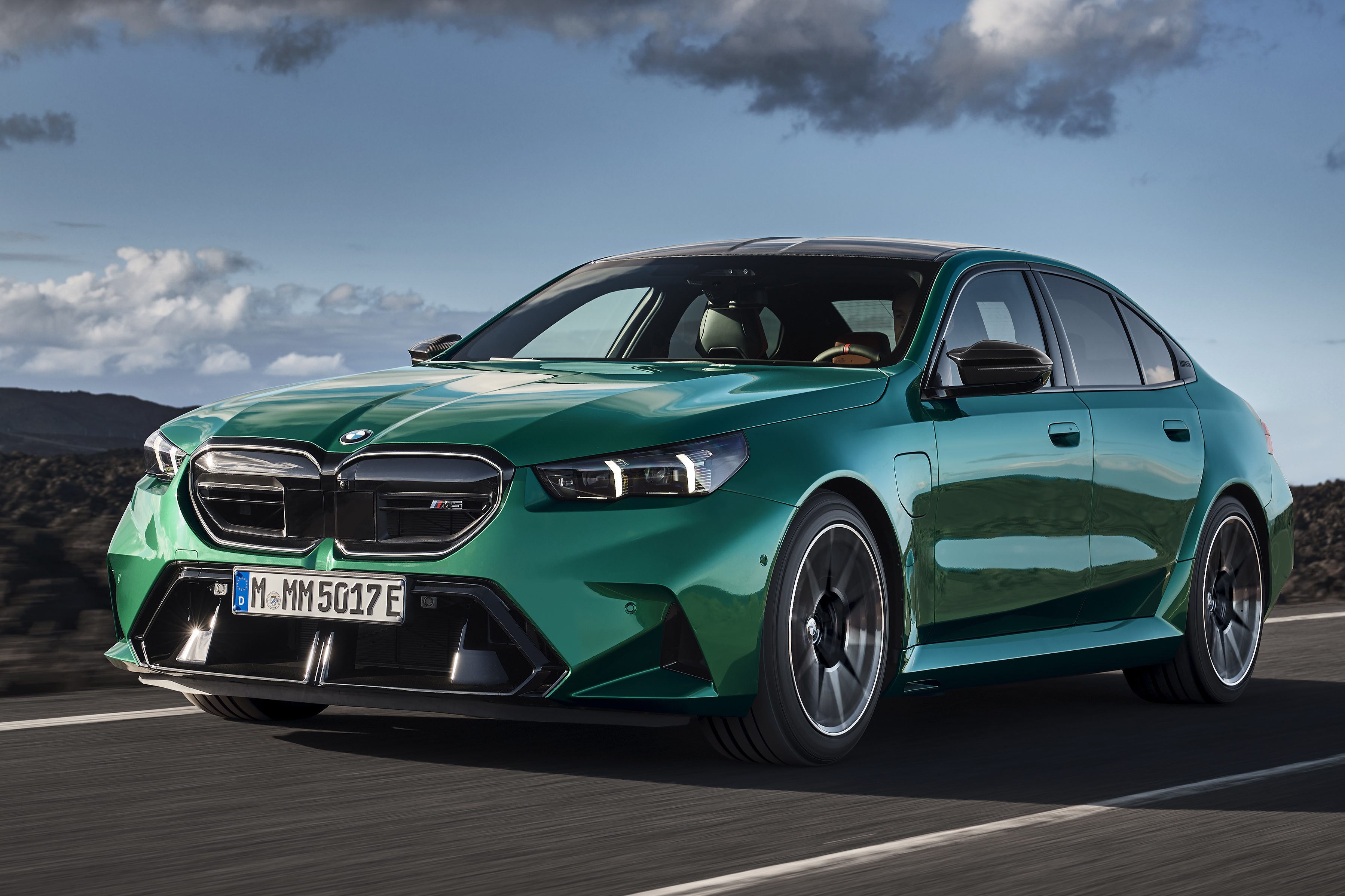
And, continuing the performance theme, the hybrid 4.4 litre V8 BMW M5 won the ‘Performance Car’ category. Overall, a total of 46 models were assessed.

Motoring editor for Derry Journal Newspapers

